

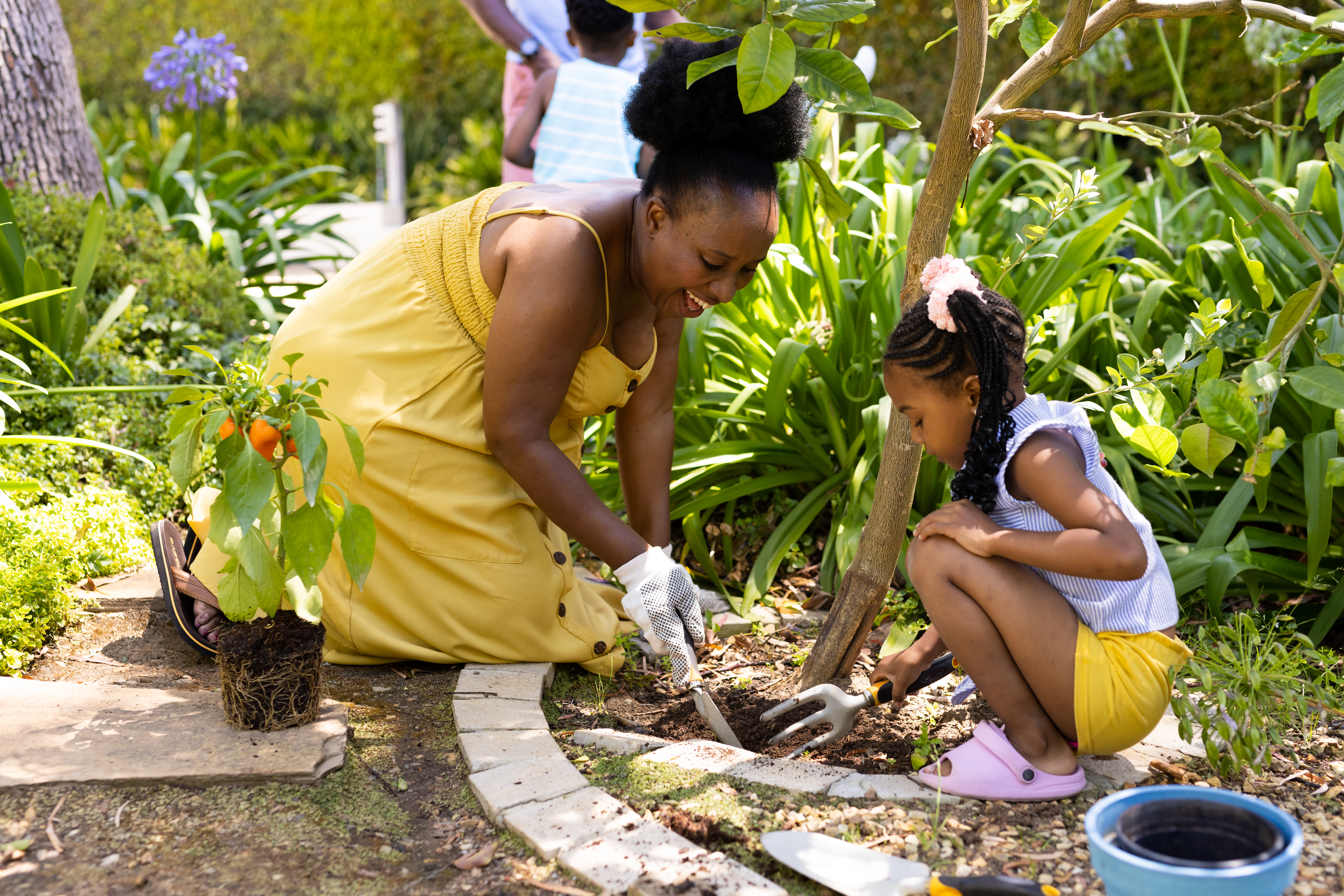
As the weather warms and flowers begin to bloom, children naturally become curious about nature, growth, and change. Spring is a wonderful time to bring learning outdoors and introduce children to the magic of planting!
Springtime Planting with young children
Gardening activities offer an array of hands-on learning experiences that support development across all domains. There are so many benefits!
Planting with children supports:
- Science learning – Understanding life cycles, weather, soil, water, and sunlight
- Math skills – Counting seeds, measuring soil, tracking growth
- Language development – Learning vocabulary like sprout, roots, stem, blossom
- Social-emotional growth – Practicing patience, responsibility, and teamwork
- Fine motor skills – Scooping soil, pinching seeds, pouring water
Gardening also encourages children to slow down, observe carefully, and care for living things, which are valuable skills that extend far beyond the classroom!
Simple Planting Ideas for Child Care Programs
You don’t need a large garden space to get started. Here are a few simple ideas to get your wheels turning!
- Use bean seeds in clear cup seed starters to watch roots grow
- Herb gardens like basil, mint, or cilantro are easy and practical
- Flower pot decorating lets children personalize pots and take plants home!
- Quick-growing vegetables like cherry tomatoes, green onions, or lettuce are great options to start!
Inclusive Gardening: Supporting All Learners
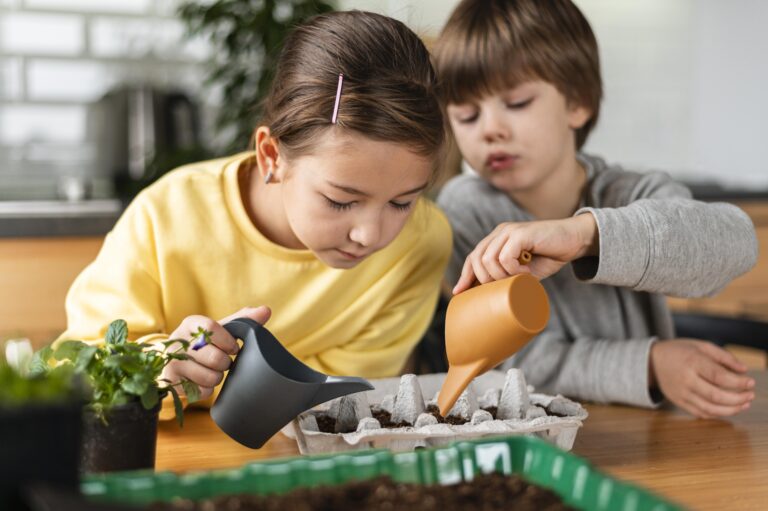
Gardening can be a powerful inclusive activity when intentionally planned. Small adjustments ensure every child can participate meaningfully, especially children with sensory sensitivities, developmental delays, or physical challenges.
💛 Sensory Considerations
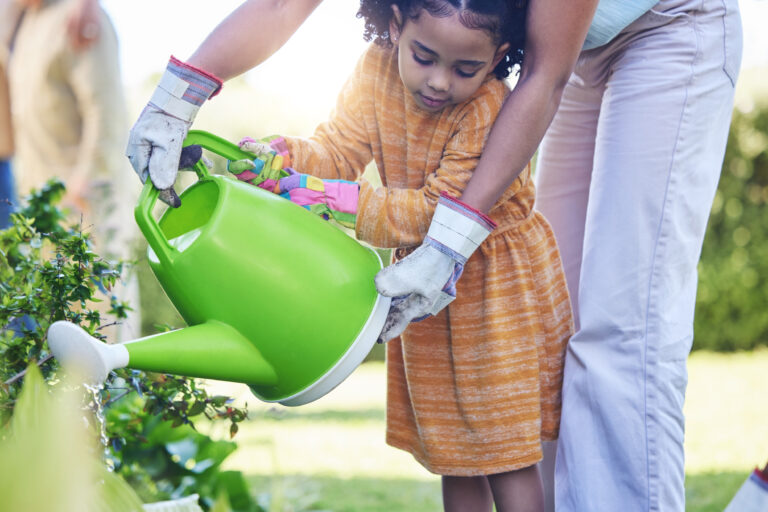
- Offer gloves for children who are uncomfortable touching soil.
- Provide dry soil options before adding water for gradual sensory exposure.
- Create a clean-up station nearby to reduce anxiety about mess.
- Introduce materials slowly and allow observation before participation.
💛 Physical Accessibility
- Use raised beds or tabletop planters.
- Provide lightweight tools with adaptive grips.
- Allow children to sit while gardening if needed.
💛 Communication & Learning Difference
- Use visual step cards showing planting steps.
- Model actions slowly and clearly.
- Pair children with peer buddies.
- Offer choices (watering, digging, observing, labeling).
💛 Emotional Support
- Assign predictable roles like “Water Helper” or “Sunlight Checker.”
- Prepare children ahead of time if routines will change.
- Celebrate small successes, even placing one seed in the soil is meaningful!
Inclusive gardening creates a shared experience where every child contributes at their own level. It fosters belonging, patience, and respect for differences!
About YMCA Childcare Resource Service
For over 40 years, YMCA Childcare Resource Service has been a trusted agency in San Diego County, connecting families to accessible, quality child care programs. As the only state-funded child care resource and referral agency and one of two child care subsidy distributing agencies in the county, we are deeply committed to ensuring that all families have access to child care that meets their unique needs.
Through our extensive network and comprehensive database, we match thousands of families with licensed child care providers and administer millions of dollars in child care subsidies each year. By facilitating these important connections between families and child care, we can ensure children are learning and parents can continue earning.
To learn more about YMCA Childcare Resource Service and how we can support your child care needs, please visit our website at ymcasd.org/crs.